- Start with yourself and work backward one generation at a time, using family group sheets.
- Talk to your relatives while you still can and record their memories, with their permission.
- Scan family documents and photographs, front and back, label them and keep copies in more than one place.
- Family stories are clues: look for the records that confirm or correct them.
- Record the source of every piece of information as you write it down.
Start With What You Know and Work Backward
Anyone beginning a genealogy journey in Québec will soon discover how well documented French-Canadian families are. Many lines can be traced all the way back to an ancestor who arrived from France in the 17th or 18th century, and with so many records and family trees online, it can seem possible to add a dozen generations in an afternoon. That excitement is part of the fun, but as we saw in Lesson 1, a family tree is only as reliable as each link in it. The surest way to build a solid foundation is to start with the people you know best and work backward one generation at a time.
Begin with yourself and your immediate family: your parents, siblings, spouse and children. For each person, record the dates and places of major life events such as births, marriages and deaths. It may feel like you’re writing down what you already know, but this is how every family tree begins, and it gives you a firm starting point from which to work backward.
A family group sheet is a simple way to organize this information. Each sheet focuses on one couple and their children, with space for names, dates, places and notes. Start with a sheet for yourself (including your spouse and children, if you have them), then complete one for your parents, where you will appear as one of the children. This overlap is what links one sheet, and one generation, to the next. Library and Archives Canada offers templates in English and French.
Once those are done, complete a sheet for each set of grandparents, and then for your great-grandparents, going only as far back as your knowledge allows. Don’t worry if you only get as far as a name, or if you know little about one side of your family. That is completely normal, and the blank spaces are not a failure; they are what your research will help you fill in.
A few tips as you go:
- Record women under their maiden names. This follows the practice of Québec’s parish records and will make the women in your family much easier to trace.
- Write out the month in dates, for example 4 March 1932. A date written 04/03/1932 could mean 4 March or 3 April, depending on who wrote it, and this is a common source of confusion between French and English documents.
- Record places as fully as you can: the village, town or city; county; province or state; and country. For a baptism, marriage or burial, also note the parish or church where it took place.
- Be honest about uncertainty. If you aren’t sure of something, say so: “died about 1932, probably in Montréal.” An approximate note is far more useful than a date that looks precise but isn’t. If you know nothing at all, leave the space blank.
Before long, you’ll reach questions you can’t answer on your own, and that’s where your relatives come in.
Talk to Your Family
Once you’ve written down what you know, your relatives are often the best next source of information. A parent, aunt, uncle or grandparent may remember names, dates and places that appear in no record you’ve seen yet, and older relatives can sometimes reach back further than you might expect. A grandmother who knew her own grandparents as a child may be able to tell you about people born in the late 19th century.
Don’t limit yourself to your closest family. Cousins, great-aunts and great-uncles, family friends and longtime neighbours may each remember something different, and one branch of the family may have kept stories or documents the other never heard about. If you have no older relatives to ask, or have lost touch with one side of the family, you can still make good progress through the records themselves.
Many families also have a family historian: the relative who has been quietly collecting names, photos and documents for years, or who once compiled a family tree. Ask your relatives whether anyone in the family has looked into its history, and don’t hesitate to reach out. Most family historians are delighted to find someone who shares their interest. Just remember that their research, like any family tree, should still be checked against the original records.
When you talk to your relatives, bring your family group sheets with you. They’ll show you exactly where the gaps are and give the conversation a natural starting point. It also helps to explain what you’re working on. Many people are happy to share once they understand why you’re asking, and some may get just as caught up in the search as you are.
Some useful questions for filling in those gaps include:
- What were the full names of your parents and grandparents? Did they have nicknames, or go by a different name than the one they were given?
- When and where were they born and married, and when and where did they die?
- What was the family’s parish, church or other place of worship?
- Where did the family live, and did they ever move? Did anyone go to the United States, Ontario or elsewhere, and do you know why?
- What did they do for a living?
- How many brothers and sisters did they have? Did any of them die young?
- Do you know of anyone else in the family who has researched our history?
Record Their Stories Before They Are Lost
A family history is much more than a collection of names, dates and places. It truly comes to life through the stories: how your grandparents met, what the family farm was like, why someone left for the mills of New England. Much of this will never be found in a document. It exists only in your relatives’ memories.
Many family historians share the same regret: they didn’t interview their oldest relatives while they still could. Don’t put it off. Schedule a time to sit down with your oldest relatives, whether in person, by phone or by video call.
It helps to prepare your questions in advance, and even to share some of them with your relative beforehand so they have time to think back. Several genealogy websites offer good suggestions for family interviews, including FamilySearch, in English and French.
Be sure to record the interview, with your relative’s permission. You can use your phone, a recorder or simply pen and paper. Taking notes is a good idea even if you’re recording, in case the technology fails, and if you’re using a device, test it beforehand. Afterward, make copies of your recordings and notes and store them in more than one place.
Interview tips:
- Ask open-ended questions. Instead of yes-or-no questions, ask things like “What do you remember about your grandmother?” or “What was the house like where you grew up?” Let your relative wander a little; some of the most valuable details come up unexpectedly.
- Find a quiet place without distractions. Your relative will find it easier to focus, and your recording will be clearer.
- Use the language they’re most comfortable in. If your relative grew up speaking French, have the conversation in French if you can, or ask another family member to help. People often remember more, and share more freely, in their first language.
- Be patient and respectful, and try not to interrupt. Some topics, such as a difficult childhood, a divorce or a relative who was never spoken of, may be painful. Don’t push. A subject that’s off limits in one conversation sometimes comes up naturally in a later one.
- Adapt to memory loss. If your relative is living with dementia or other memory difficulties, keep conversations short and relaxed, and choose a time of day when they’re usually at their best. Older memories often remain clearer than recent ones, and photographs, familiar objects or music can help bring them back. Don’t correct or quiz them if a detail seems wrong; simply note it and verify it later. FamilySearch offers helpful advice on talking with people with dementia about family history, in English and French.
- Plan for more than one conversation. Memories tend to surface once they’ve been stirred, and a relative may call you a week later with something they’ve just remembered.
- Enjoy it! An interview is also a chance to spend time together and get to know your relative in a new way.
Finally, consider turning the tables. Ask your children or a younger relative to interview you, using the same questions or their own. Your descendants will thank you.
Gather Your Family’s Documents, Photographs and Other Material
Ask your relatives whether they have any documents, photographs or other items relating to the family. Useful material can include:
- birth, baptism, marriage, death and burial certificates
- obituaries, funeral cards and memorial cards (cartes mortuaires)
- photographs, postcards and letters
- newspaper clippings
- military papers, school records and report cards
- immigration and naturalization papers, passports and identity cards
- notarial documents such as marriage contracts, wills and land deeds
- souvenirs of baptisms, first communions, weddings and anniversaries
Even items that don’t seem genealogically important at first can contain useful clues.
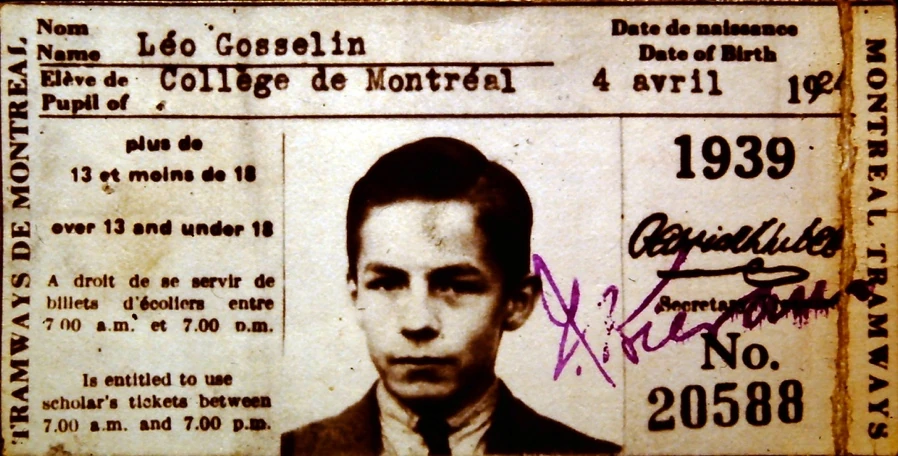
These family treasures may be hiding in an aunt’s attic, a grandfather’s photo album or a box that hasn’t been opened in decades. A funeral card may give an exact date of death, a postcard may reveal where someone was living at a particular time, and a photograph may have a name or date written on the back. Letters and envelopes can provide addresses, relationships and details about family members who may not appear in official records.
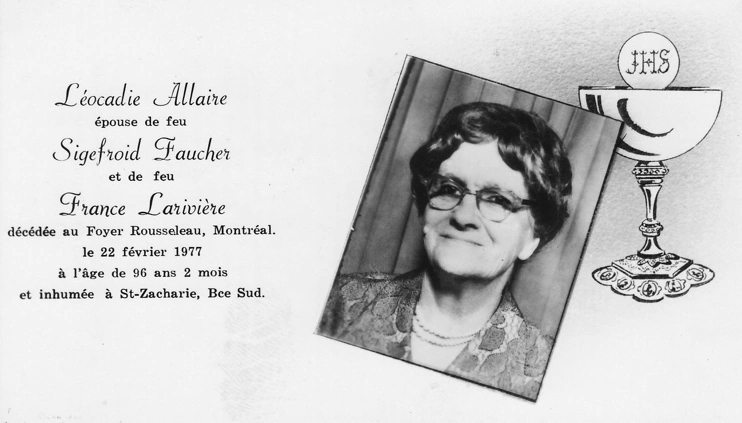
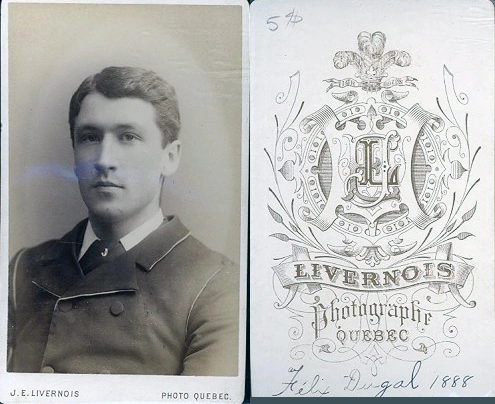
Pay particular attention to anything that identifies people, places or dates. Check the backs of photographs and postcards for inscriptions, the names of photographers or studios, addresses and postmarks. Look inside books and albums for handwritten notes, as well as loose papers or cards tucked between the pages. If a relative knows who appears in an unidentified photograph, write it down now rather than counting on someone to remember it later.
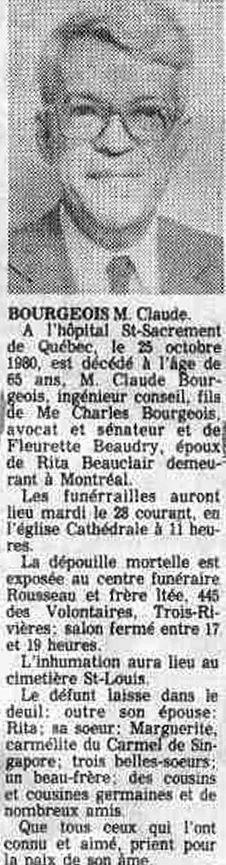
Whenever possible, ask the owner what they know about an item and where it came from. Knowing that a photograph belonged to a particular grandparent, for example, may help you work out which side of the family it represents.
Many people are understandably reluctant to part with family treasures, even briefly. Rather than asking to borrow originals, offer to scan or photograph them where they are, and return everything exactly as you found it.
Preserve and Identify What You Find
Once you’ve gathered family documents and photographs, take the time to preserve them, identify them and keep them organized. Originals can fade, get damaged or be lost, and the people who know what they show won’t always be there to ask.
Scan or photograph everything
Make a digital copy of every document and photograph you find. You can use a home scanner or a print or office supply store that offers scanning, and many libraries and genealogical societies provide scanners for free or at low cost. A smartphone scanning app can also do a good job when nothing else is available.
Scan at a high resolution so your images stay sharp if you later want to enlarge, print or share them, for example in a family history book. A resolution of at least 600 dpi is a good standard for photographs, and 300 dpi is usually enough for documents. Scan both sides whenever there is writing, a photographer’s mark, a stamp or any other information on the back. If scanning isn’t possible, take a clear, well-lit photograph of the whole item. Keep the original file at full resolution, and avoid cropping away edges, annotations or other details that may later prove useful.
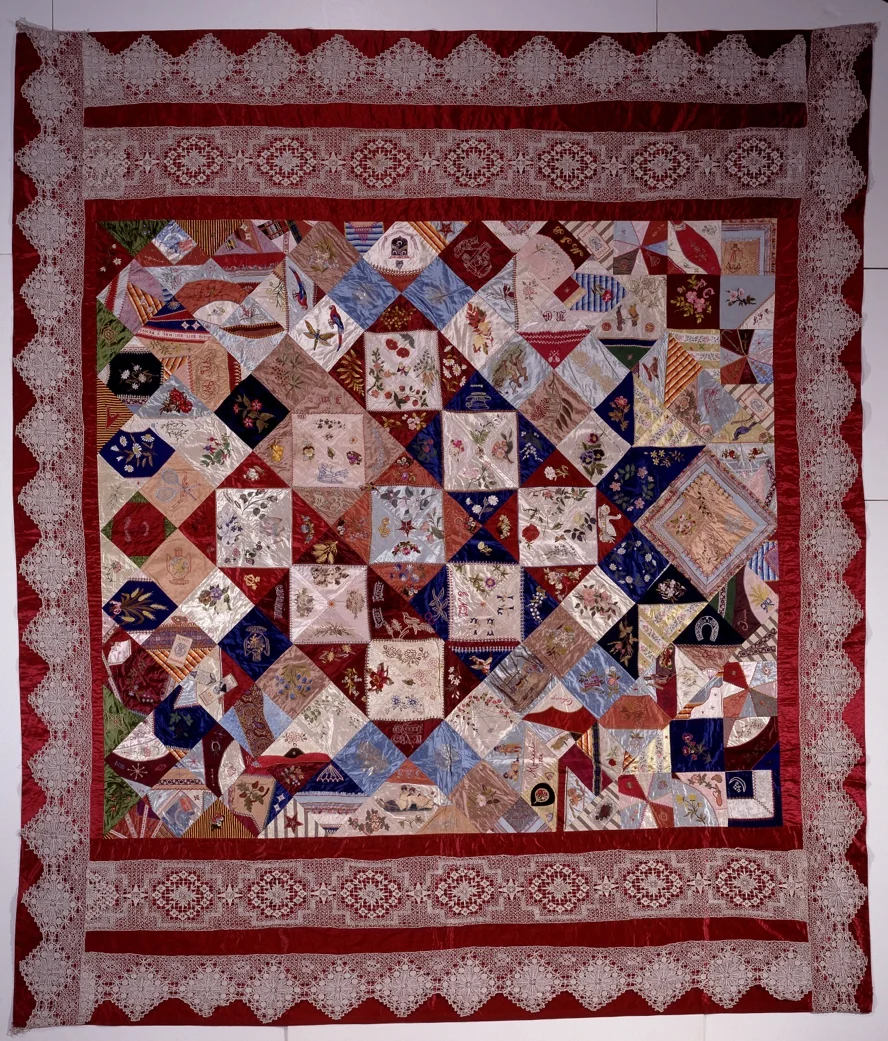
Objects that can’t be scanned, such as a military medal, a pocket watch or a favourite quilt, are worth photographing as well. Take several well-lit photos from different angles, including close-ups of any engravings, labels, maker’s marks or stitched initials.
Identify what you have
Whatever you’re scanning or photographing, record what it is. For each item, note who it shows or concerns, what it is, when it dates from and where it was created or taken. What seems obvious to you today may mean nothing to another relative, or to your descendants decades from now. Also note who owns the original and where it is kept.
Give your digital files meaningful names rather than leaving them as “IMG_4382.” A simple, consistent pattern works well, for example 1888_Dugal_Felix_portrait_front.jpg and 1888_Dugal_Felix_portrait_back.jpg. Store them in a folder for the ancestral couple they relate to (more on this below), and keep your notes about each item with the image so the two are never separated.
Keep copies in more than one place
A digital copy only protects your family’s material if the copy itself survives. Keep your files in at least two places, such as your computer and an external hard drive or a cloud storage service, and consider sharing copies with interested relatives. The more places your family’s history exists, the safer it is.
Care for the originals
If you’re the keeper of original documents or photographs, a few simple habits will help them last:
- Store them somewhere cool, dry and dark. Attics, basements and garages are among the worst places for paper and photographs because of heat, humidity and pests.
- Use acid-free folders, boxes and sleeves, available from archival suppliers and many craft stores.
- Avoid tape, glue, staples, paper clips and rubber bands, which can damage paper over time.
- If you need to label the back of a photograph, write lightly along the edge with a soft pencil, never a ballpoint pen or marker.
- Handle photographs by their edges, with clean, dry hands.
Family Stories Are Clues, Not Proof
Every family has its stories. Many are true, and many more contain at least a kernel of truth. But some will turn out to be exaggerated or simply wrong, much like the size of the fish cousin Steve caught last July.
Stories change as they’re passed from one generation to the next, usually without anyone meaning to mislead. Details get simplified, two relatives with similar names get merged into one person, events drift from one generation to another, and an ordinary story picks up a more impressive ending. A story that’s been told for a hundred years has passed through many tellers, and each may have changed it a little.
That’s why family stories are best treated as clues: valuable starting points for research, but not proof on their own. The goal is to find records that confirm, correct or disprove them. For example:
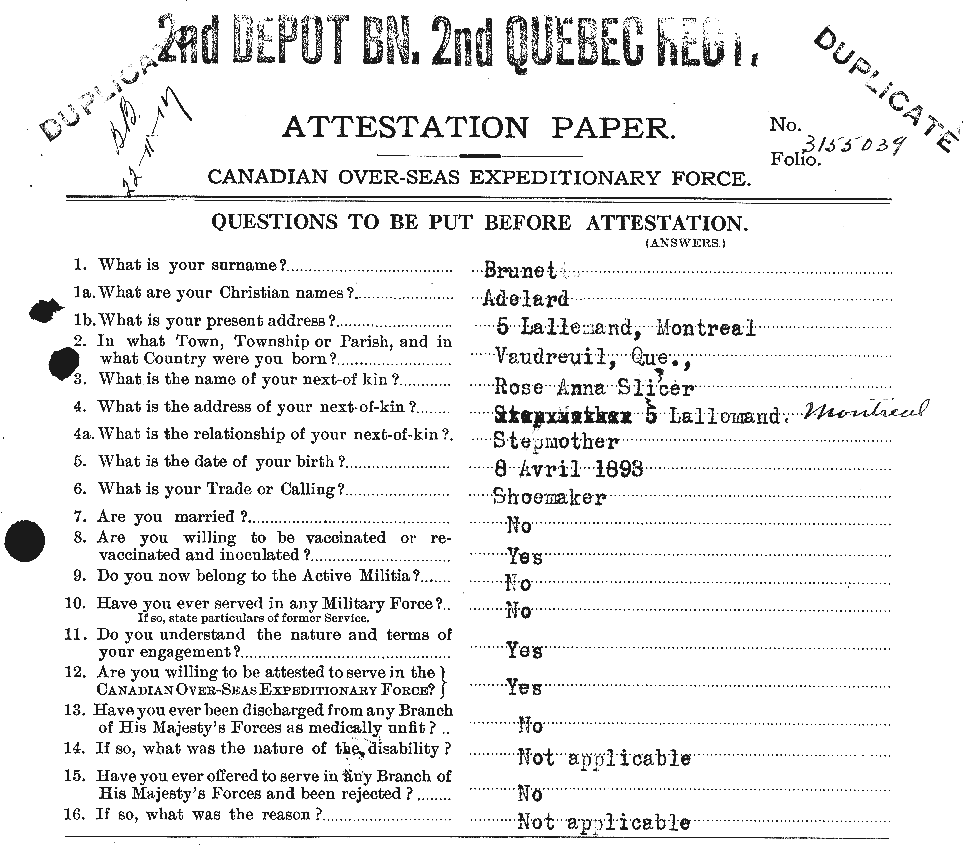
- Great-uncle Adélard served in the First World War? Look for his military service file. Canadian service files from the First World War have been digitized and are free to search.
- Great-grandma was one of 18 children? Look for the family’s baptisms in the parish registers. You may find that the story is true, that the count includes half-siblings from a parent’s second marriage, or that the family wasn’t quite as large as everyone remembered.
- The family is related to a famous person with the same surname? Trace your own line back and see whether it actually connects. Sharing a surname, even an uncommon one, doesn’t necessarily mean sharing an ancestor.
Even a story that turns out to be inaccurate can still be useful. A great-grandfather who supposedly “came from France” may actually have come from a French-speaking parish in Québec, and that detail may still help you find him.
Not every story can be confirmed or disproved, and that’s fine. When a story can’t be verified, record it anyway, along with who told it to you, and label it clearly as family tradition. It may make sense later, when you find a record you didn’t expect.
Always Record Where Your Information Came From
As your research grows, you’ll collect hundreds and eventually thousands of names, dates and places, along with the documents, photographs and stories discussed in this lesson. As we saw in Lesson 1, every piece of information should be recorded along with where it came from: its source.
Recording your sources serves two main purposes:
- It lets you find the information again. Months or years from now, you’ll want to know whether Uncle Fernand’s date of death came from his funeral card, a cousin’s memory or a website. Without a source, you may have to repeat the entire search.
- It lets you and others judge how reliable the information is. A date of death taken from an obituary published days after the event is generally more trustworthy than one from an unsourced online family tree.
The best time to record a source is the moment you record the information. Most family group sheets include space for sources or notes, and genealogy software has fields for them too. A source doesn’t have to be formal at this stage. Even “Mom, phone conversation, 3 March 2026” is far better than nothing.
For now, try to answer four questions: what the source is, who created it or provided the information, when it was created, and where it can be found today. Here are a few examples for material you’re likely to find within your own family:
A marriage certificate:
Marriage certificate of Pierre Tremblay and Sophie Dumouchel, 20 May 1938, Notre-Dame-de-Québec parish, Québec; certificate issued by the parish in 1952. Original in the possession of Richard Tremblay, Lévis.
An interview:
Interview of Gisèle Boucher by her grandson Serge Gagnon, 10 October 2026, at Gisèle Boucher’s home in Trois-Rivières. Digital audio recording and transcript in the possession of Serge Gagnon.
A photograph:
Photograph of Thérèse Langlois at her graduation from the Université de Montréal, May 1986. Original in the possession of Bernard Roy; scanned by Bernard Roy in 2026 and kept in his digital collection.
Organizing Your Family Data
It doesn’t take long for a family history project to grow. Between names, dates, places, documents, photographs and interviews, you’ll soon have more information than you can keep track of from memory, so it’s worth deciding early how you’ll store and organize it.
Some researchers prefer paper, with family group sheets and printed copies of records kept in binders. Paper is a fine way to start, but French-Canadian research in particular can grow very quickly. With records often reaching back ten generations or more, binders soon become impractical, and most researchers eventually move to a digital system. There are three main options, and many people use a combination of them.
Online family tree platforms
Online platforms let you build a family tree on a website, attach records and photos, and share your work with relatives. They fall into two broad types:
- Shared trees, such as FamilySearch and WikiTree, are free and collaborative. Instead of building your own separate tree, you contribute to a single worldwide tree that other users can also edit. This makes it easy to connect with relatives and benefit from others’ research, but it also means someone else can change the information you’ve added.
- Personal trees, such as those on Ancestry, MyHeritage, Findmypast and Geneanet, belong to you, and you control what goes into them. Building a tree on these sites is free, but some features and many record collections require a paid subscription.
Genealogy software
Genealogy software stores your family tree on your own computer. You control the data, it works without an internet connection, and most programs can produce charts and reports. Popular options include Family Tree Maker, RootsMagic, Legacy Family Tree, Reunion, Gramps and Heredis. Some are free or offer a free basic version, some work only on Windows or only on Mac, and Heredis, developed in France, is widely used by French-speaking genealogists. It’s worth trying a free version or trial before you commit.
Your own filing system
However you build your tree, you’ll also need somewhere to keep your digital documents, photographs and recordings. A simple approach is to create one folder on your computer for each ancestral couple, so that your folders match your family group sheets. Each folder can hold the couple’s family group sheet, along with copies of their records, photographs, interview recordings and notes. Naming each folder consistently, with both spouses’ surnames and given names, such as Potvin_Michel_and_Villeneuve_Marie, will keep your folders sorted and easy to find. Material about a child who never married can go in their parents’ folder; once they marry, they’ll have a folder of their own.
A few things to keep in mind
- Keep a master copy you control. Websites change their terms, prices and features, and occasionally shut down. Even if you work mainly online, keep a copy of your tree in software or files on your own computer. Most platforms and programs can export your tree as a GEDCOM file, a standard format that other programs can read.
- Protect living relatives’ privacy. Before sharing a tree online, make sure information about living people is private or hidden. Most platforms do this automatically, but it’s worth checking.
- Don’t let the choice hold you up. There’s no single right system, and you can switch later. What matters most is choosing one, using it consistently and recording your sources as you go.
Identify the Gaps: What Do You Want to Find Next?
By now, you’ve recorded what you know, talked to your family and gathered whatever documents and photographs you could find. Take a look at your family group sheets. Where are the blank spaces? Perhaps you know your grandparents’ names but not when or where they married, or you know almost nothing about one side of your family. These gaps are where your research begins.
It also helps to think back to what drew you to genealogy in the first place. As we saw in Lesson 1, everyone’s motivations are different, and your goals will shape where you focus your time. For example:
- Do you want to find your first patronymic ancestor, the first person with your surname to arrive in New France?
- Is there a particular ancestor whose life you’d like to research and write about?
- Do you want to discover how many Filles du roi, soldiers or voyageurs appear in your family tree?
- Do you want to know when and why your family left Québec, or where in Québec your immigrant ancestors came from?
- Do you simply want to build as complete a picture of your family as possible?
Whatever your goal, the best place to start is usually with the gap closest to you. Each generation you confirm gives you the names, dates and places you need to find the one before it, and as Lesson 1 showed, a marriage record often provides the key to the next step back.
Try to turn each gap into a specific question. “Who were my ancestors?” is too broad to research. “When and where did my grandparents, René Dion and Rita Paquette, marry?” is a question you can answer, and answering it will lead naturally to the next one.
As you begin searching for records, it’s also helpful to keep a research log. Note which databases, collections or registers you’ve searched, the names and dates you used, and whether you found anything. Recording unsuccessful searches is just as important as recording successful ones. It will save you from repeating the same work and help you decide where to look next.
Once you know what you want to find, the next step is deciding how to go about it.
Choosing Your Approach: Lineage-Based vs. Generation-Based Research
Genealogists generally approach their research in one of two ways: by following a single line back through time, or by researching the whole family one generation at a time. Neither is better than the other, and many researchers use both at different stages.
Lineage-based research
If your goal is to find your first patronymic ancestor, the first person with your surname to arrive in New France, your approach will be lineage-based. Starting with yourself, you would research your father, then his father, then his father’s father, and so on, following your surname back one generation at a time. This is known as your patrilineal or paternal line.
You can do the same with your matrilineal line: your mother, her mother, her mother’s mother and so on. This line holds an added element of mystery. Because women in Québec records are identified by their maiden names, the surname generally changes with every generation, so there’s no way to predict whose name you’ll find at the end of the line.
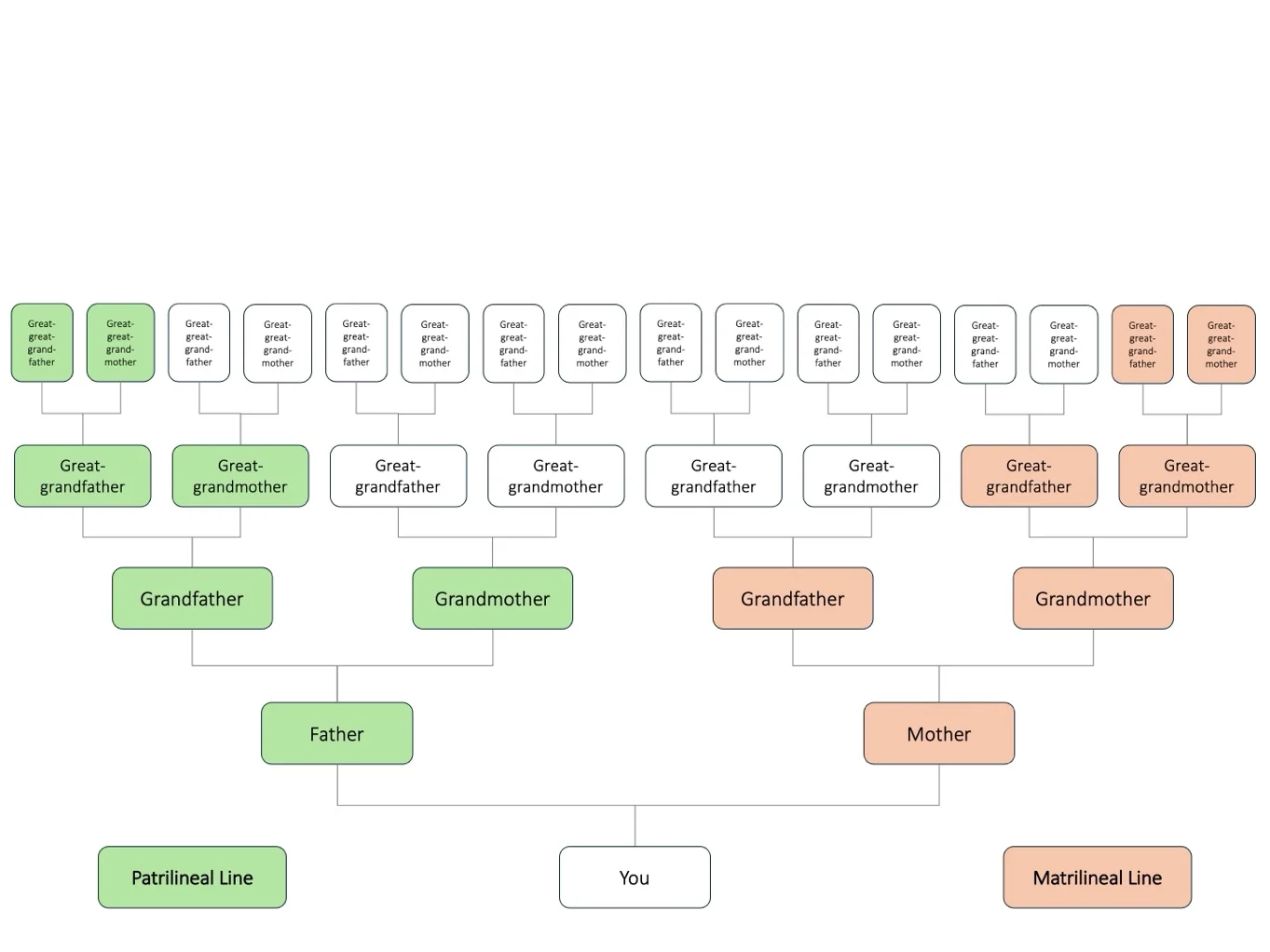
The same approach works for any line in your tree. You might be curious about the origins of a great-grandmother’s unusual surname, for example, or want to follow the line that leads to an ancestor mentioned in a family story.
Lineage-based research is focused and rewarding, and it can take you back to the 17th century relatively quickly. Its limitation is that it follows only a narrow path through your family, leaving most of your ancestors unexplored.
Generation-based research
Alternatively, you can research your family one generation at a time. Once you’ve documented your parents, you would research all four of your grandparents, then your eight great-grandparents, then your sixteen great-great-grandparents, and so on. This approach builds a much fuller picture of your family, and because you’re confirming each generation completely before moving on, it’s easier to spot errors and connections along the way.
The trade-off is scale. The number of direct ancestors doubles with each generation, and in French-Canadian research, where records often reach back to the 1600s, it’s not unusual to identify thousands of ancestors.
| Relative | Generation | Number of Direct Ancestors |
|---|---|---|
| You | 1 | 1 |
| Parents | 2 | 2 |
| Grandparents | 3 | 4 |
| Great-grandparents | 4 | 8 |
| 2x great-grandparents | 5 | 16 |
| 3x great-grandparents | 6 | 32 |
| 4x great-grandparents | 7 | 64 |
| 5x great-grandparents | 8 | 128 |
| 6x great-grandparents | 9 | 256 |
| 7x great-grandparents | 10 | 512 |
| 8x great-grandparents | 11 | 1,024 |
| 9x great-grandparents | 12 | 2,048 |
In practice, you’ll find fewer unique ancestors than these numbers suggest. In a population that grew from a relatively small number of founding families, distant cousins frequently married, so the same couple can appear in your tree several times, through different lines. This is known as pedigree collapse, and it’s especially common in French-Canadian families.
Your Foundation Is in Place
You’ve now laid the foundation for your family history. You’ve recorded what you know, talked to your relatives, gathered and preserved the documents and photographs your family has kept, and started recording where each piece of information came from. You’ve also seen how to treat family stories as clues, chosen a way to organize your growing collection and identified the gaps you’d like to fill.
Don’t worry if your family group sheets still have plenty of blank spaces. That’s exactly where your research begins. In the next lesson, we’ll turn to the records themselves: how to use a marriage record to move back a generation, why Québec’s parish registers are at the heart of French-Canadian research, and which databases and tools will help you find the records you need.
Frequently asked questions
With yourself and your immediate family: write down dates and places of birth, marriage and death on a family group sheet, then work back to your parents, grandparents and great-grandparents, one generation at a time.
That is how Québec parish registers record them: women appear under their birth name. Recording them the same way makes them much easier to find.
At least 600 dpi for photographs and 300 dpi for documents. Scan the back as well whenever it has writing, a stamp or a signature.
Neither is better. Lineage-based research moves quickly up a single line, such as your surname line; generation-based research gives a fuller picture, but the number of ancestors doubles with each generation.