History, families and genealogical curiosities from Quebec and beyond.
Learn how to build a documented chain of records linking you to your Canadian ancestor, and how to turn your online finds into the certified copies IRCC requires.
Plans, old books, microfilms or historical archives: what Micromatt digitizes with the Drouin Institute, and how the Institute covers half the cost of some projects.
How can genealogy become more feminist? Non-sexist vocabulary, search tools sorted by women’s names, matrilineal research and diaries kept for future generations.
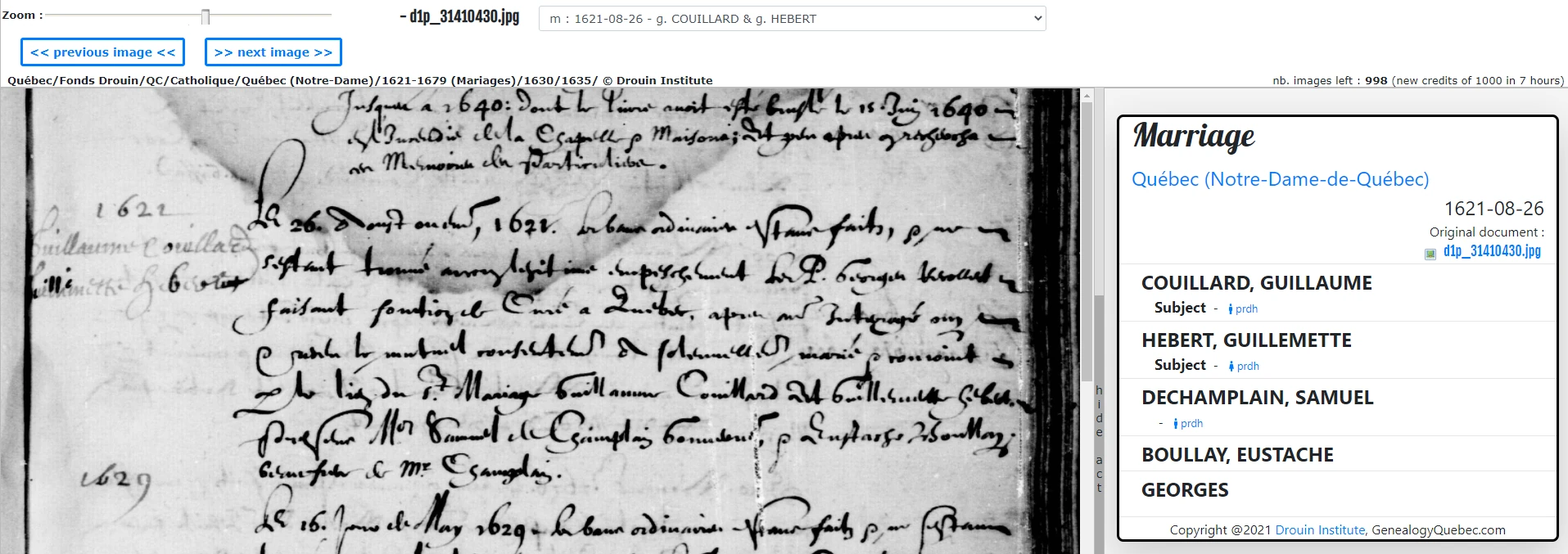
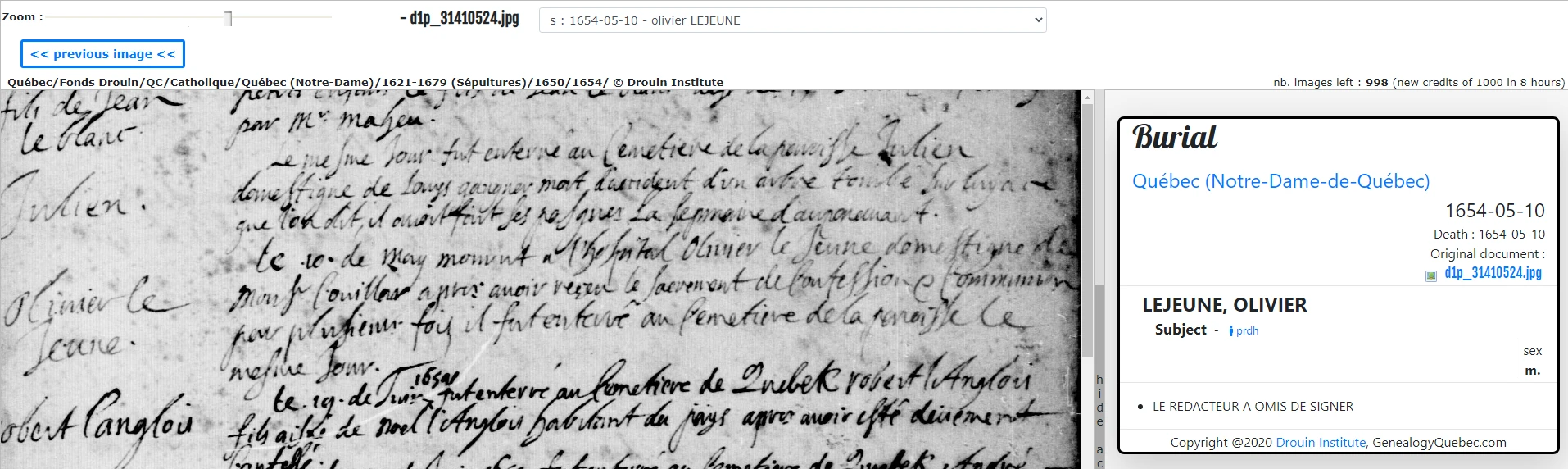
Where Quebec birth, marriage and death records come from, how to use them to trace a family line generation by generation, and where to find them online.
What are the consequences of leaving women out of family trees? A look at family identity, historical memory and the specific case of Indigenous women in Canada.
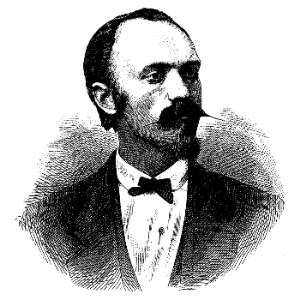
Who were Basile Routhier and Calixa Lavallée, where did their ancestors come from, and how did they create O Canada in eight days, first performed in 1880?
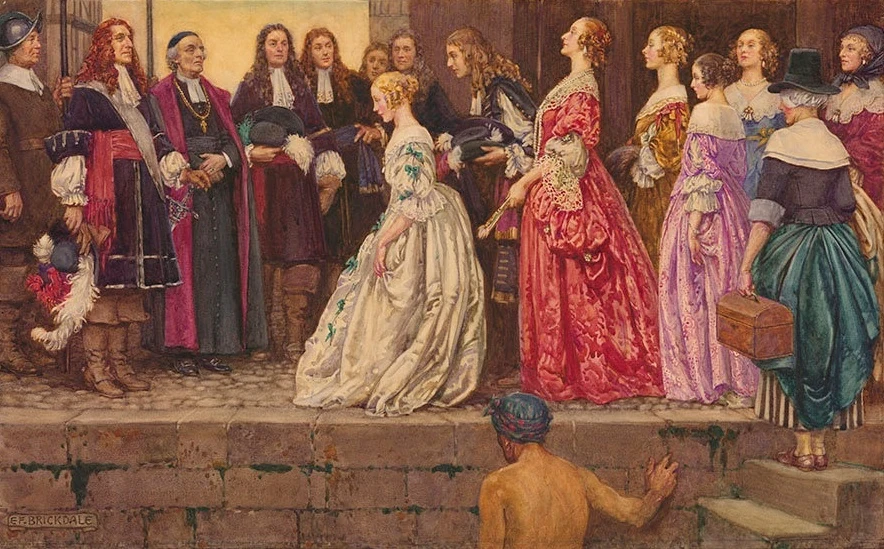
Why are women less present than men in genealogical research in Quebec? How surnames, marriage and historical records have made female lineages harder to trace.
How to find traces of Native and Black slaves in New France’s parish registers, where the word slave rarely appears and status must often be deduced from wording.
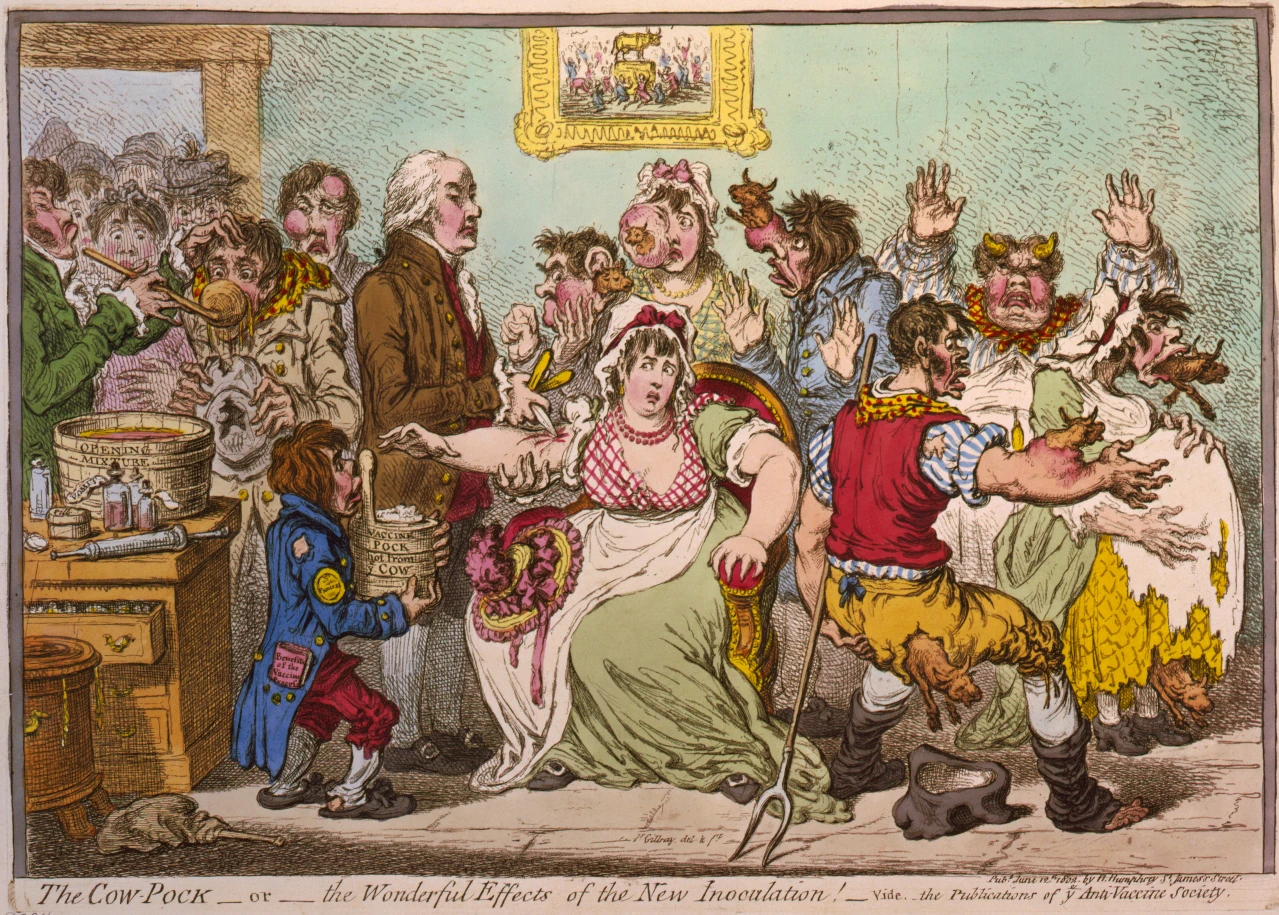
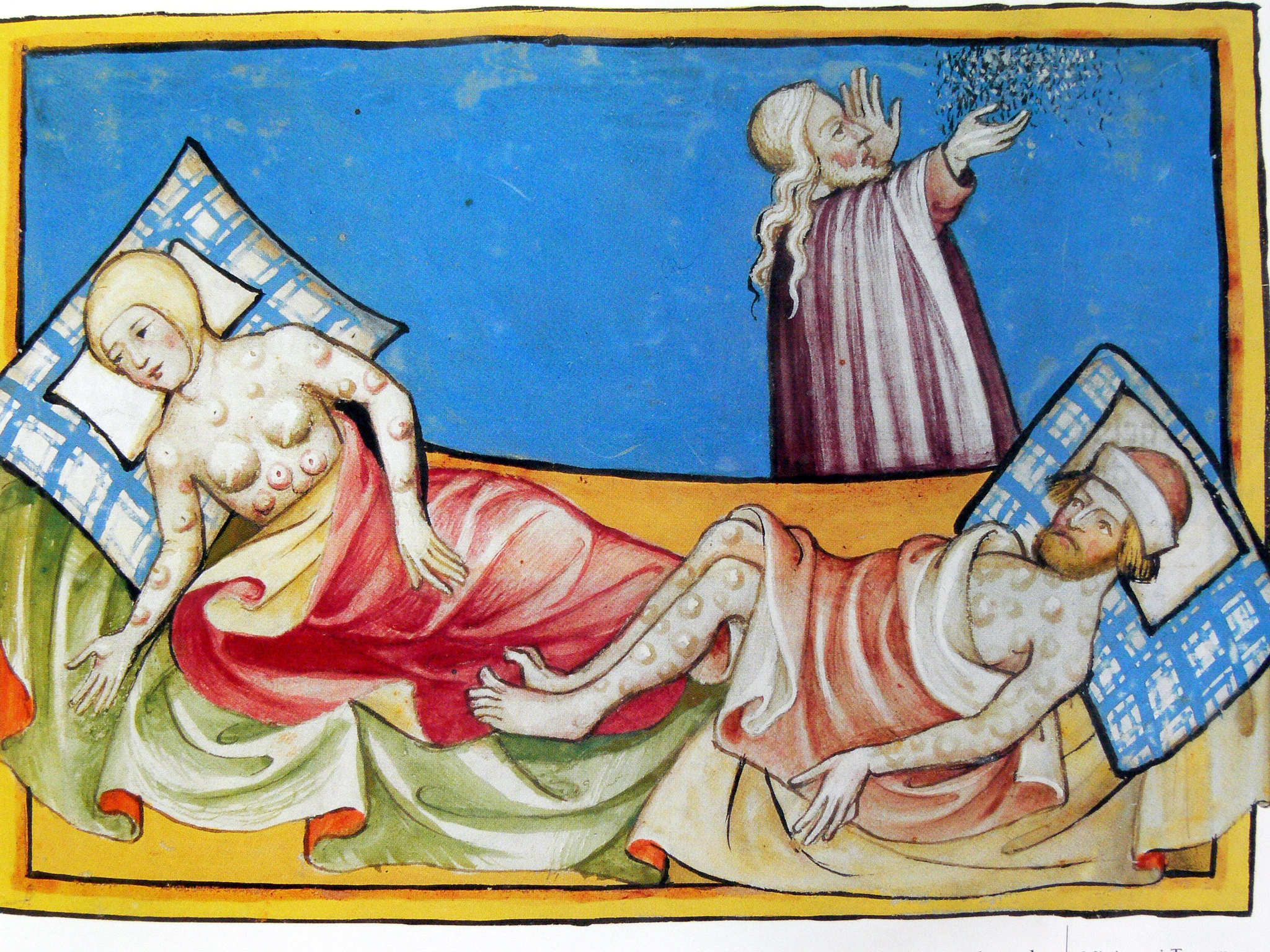
The 1885 Montreal smallpox epidemic as seen in parish registers and period newspapers: the first victim, resistance to vaccination and political tensions.
How smallpox, known as petite vérole or picote, appears in Quebec’s colonial parish registers: First Nations, premature births, Acadian exiles and British soldiers.
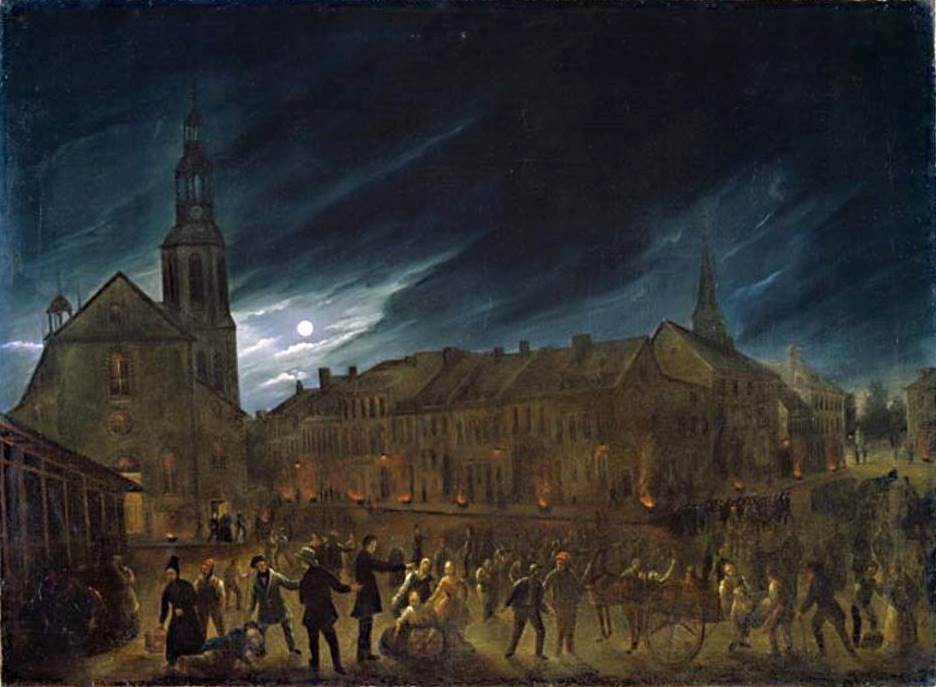
The 1832-1834 cholera epidemic in Quebec as seen in period newspapers and parish records: Grosse-Île, mass burials, and the toll in both cities and countryside.
Get our news and articles by email.