History, families and genealogical curiosities from Quebec and beyond.
Learn how to build a documented chain of records linking you to your Canadian ancestor, and how to turn your online finds into the certified copies IRCC requires.
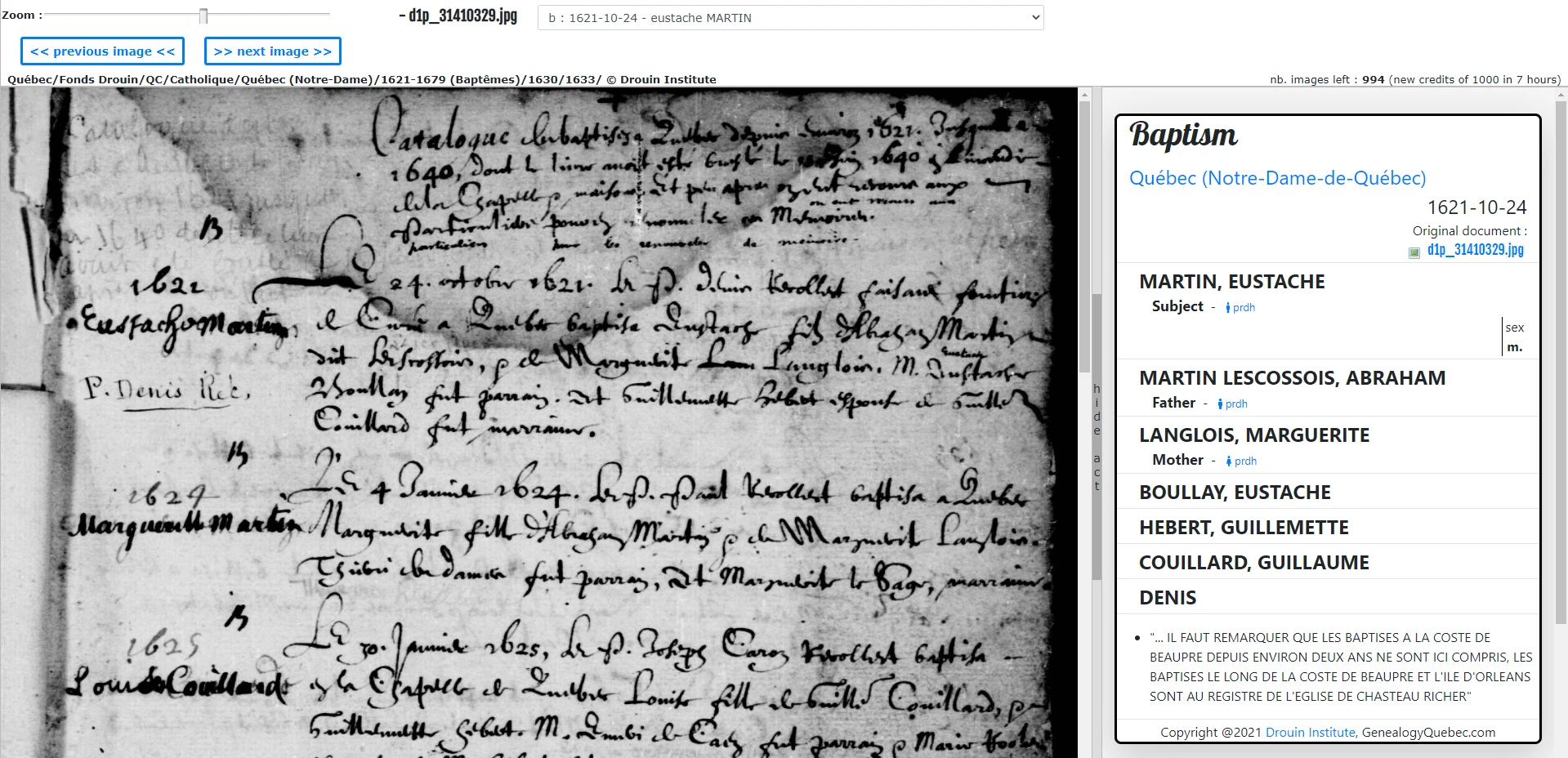
The best free and paid online sources for finding Quebec birth records and baptisms from 1621 to today, and what each collection or website contains.
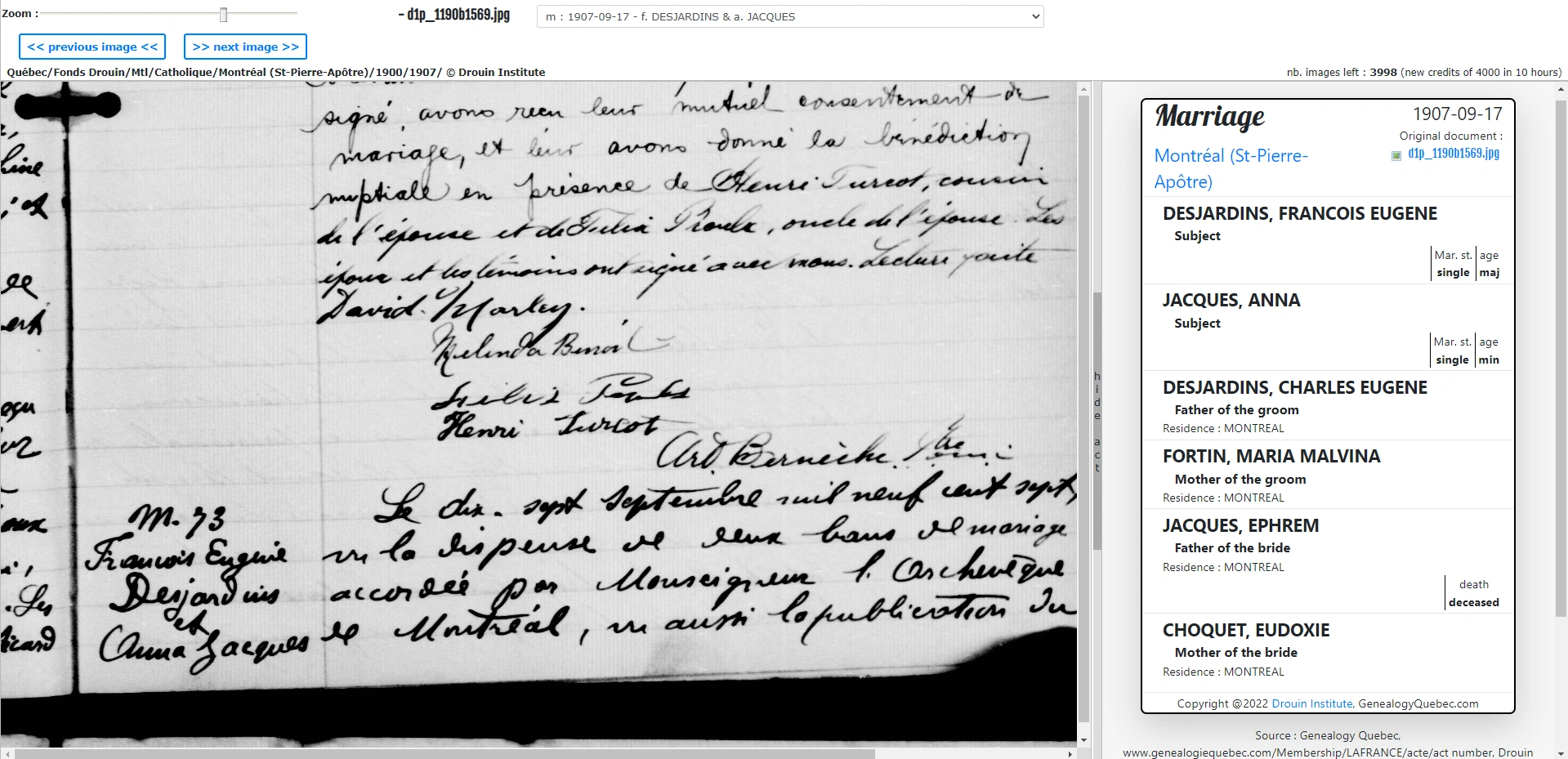
The best free and paid sources for finding Quebec marriage records, from the beginnings of the colony to today, and what each collection or website contains.
How records and family trees shed light on women’s living conditions, their undervalued roles such as midwifery, and how genealogy can serve feminist emancipation.
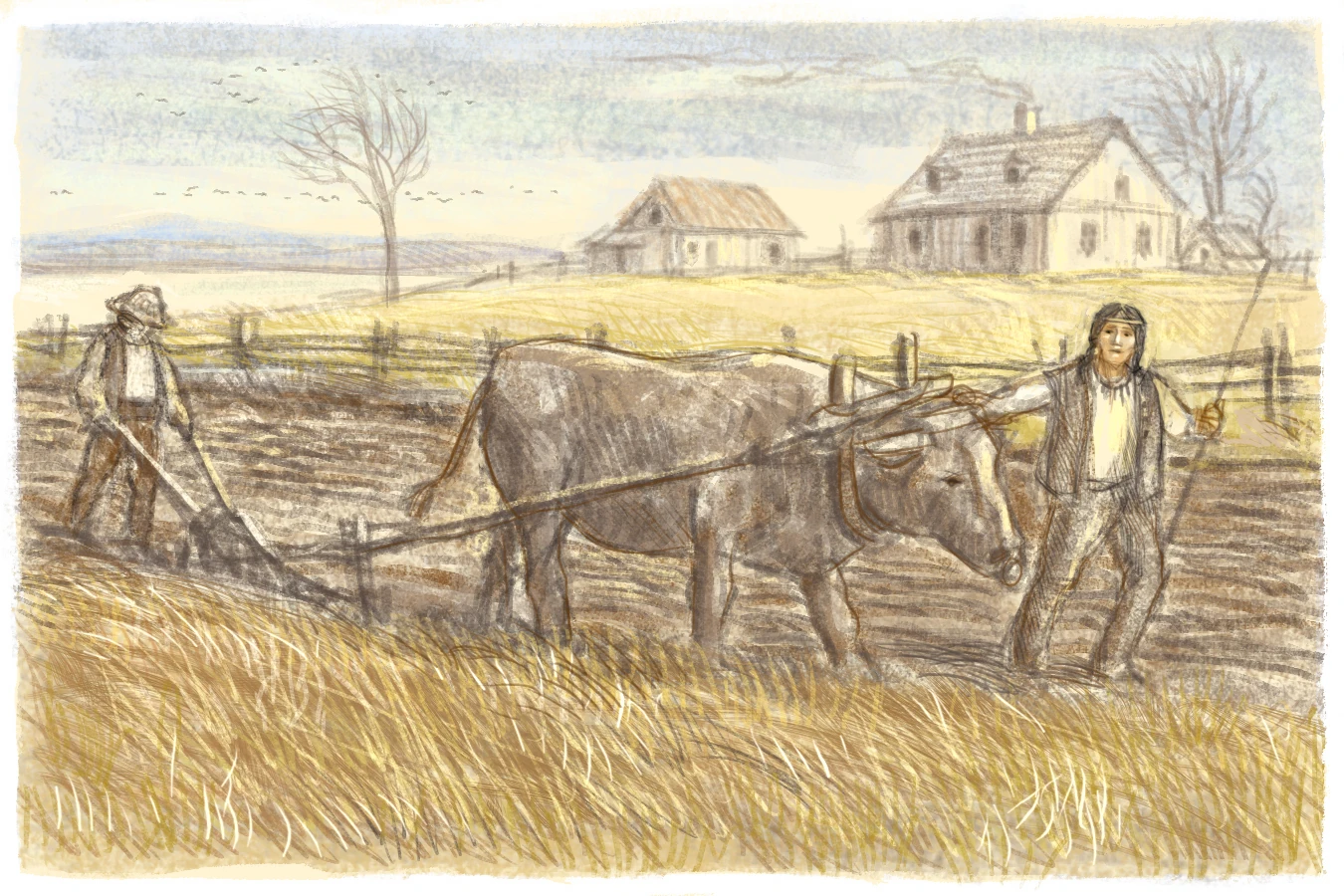
Trace my roots offers self-guided geolocated tours of your ancestors’ lands, monuments and burial sites, by bike, car or on foot, illustrated here with the Boucher family.
What care work is, how genealogy can be a form of it when women take care of their family and its bonds, and why care can be part of feminist emancipation.
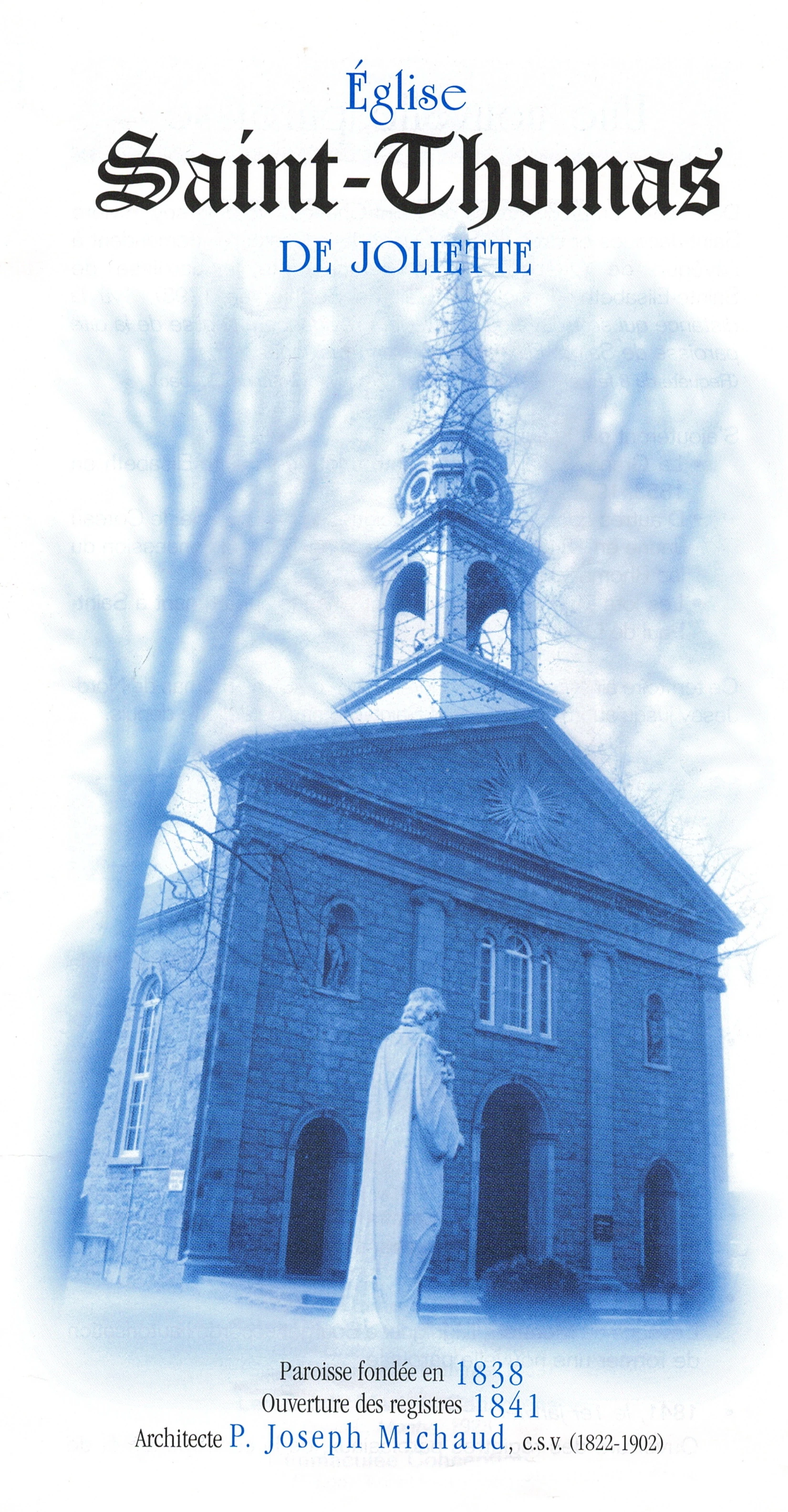
How Quebec’s civil registration evolved from 1621 parish registers to the Directeur de l’état civil, and why records after 1994 are closed to researchers.
Parish records from the LAFRANCE show how New France priests judged, praised or scorned their parishioners, adding color well beyond the usual standard formulas.
Women account for less than 10% of Quebec place names honouring a person. A review of Femmes et toponymie, de l’occultation à la parité and what it offers genealogists.
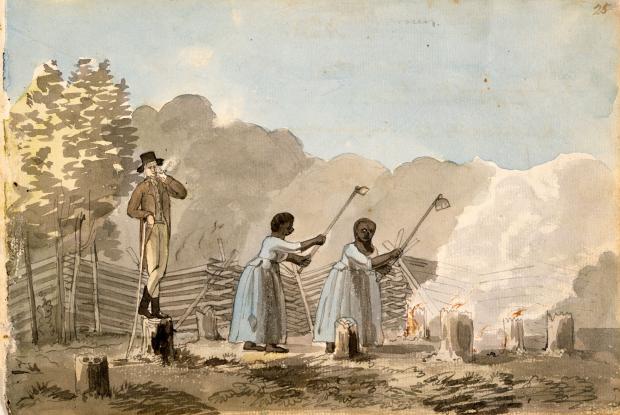
Blacksmiths, merchants and nobles: burial records show that people from every social class in New France enslaved First Nation and Black individuals, from Gaspésie to Detroit.
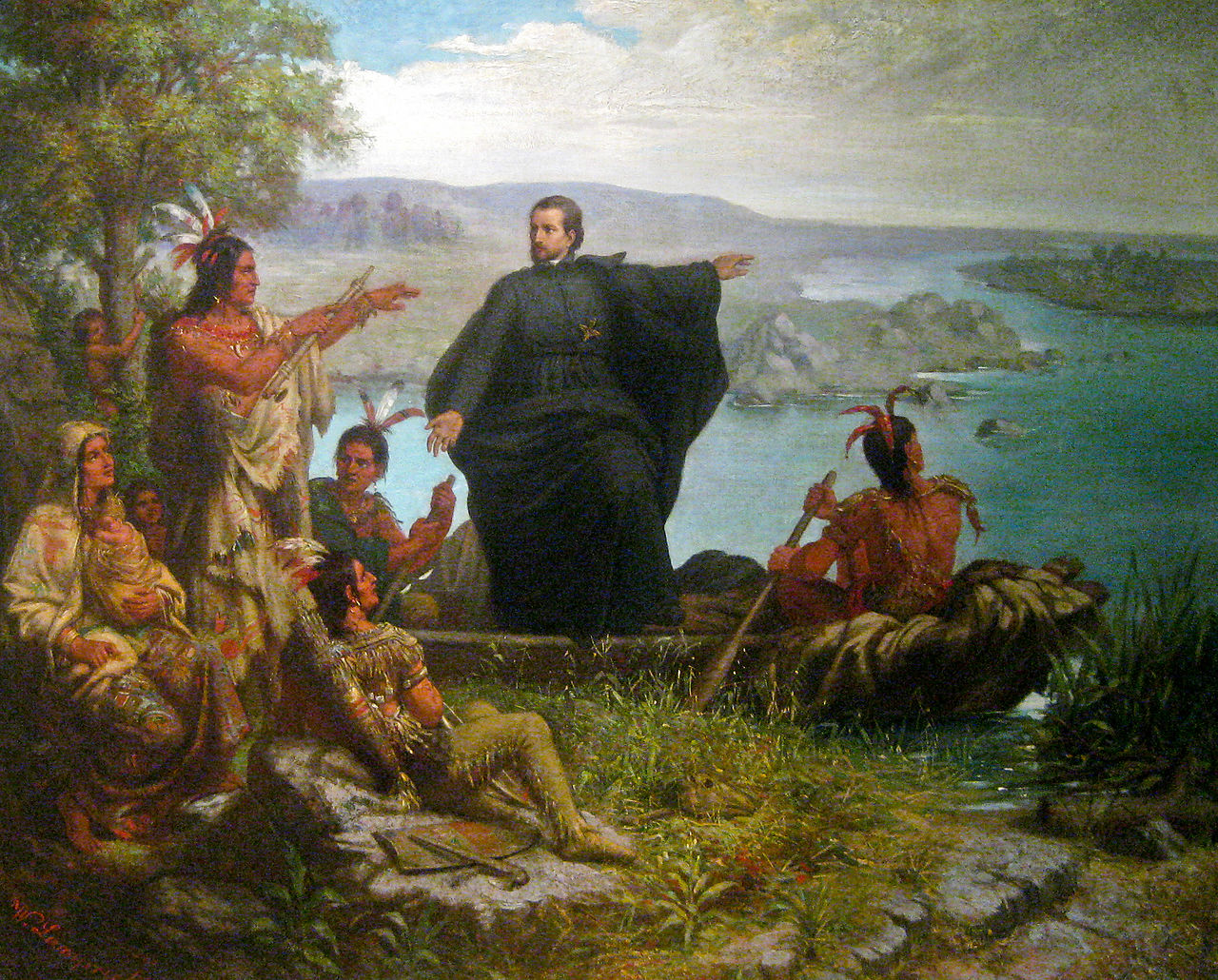
From the sisters of the Congregation to King Louis XV, parish registers show that Native and Black slaves were owned across every social class in New France.
Get our news and articles by email.