- Finding German ancestors brings surprises and frustrations, mostly because surnames evolved over time or were translated into French.
- Germany has only existed as a nation-state since January 18, 1871; before that, the Germanic world was made of several small states.
- Quebec parish registers often say “German by nation” even when the person came from Alsace or Lorraine.
- Most “German” ancestors who settled in Quebec arrived during the 17th and 18th centuries.
- Military immigration was probably the most important type for Quebec, and many descendants are unaware of their German origins.
My name is Claude Crégheur and I have been interested in German history for several years. This interest was born from the discovery of my German origins following genealogical research carried out from the end of the 1960s.
I will not hide from you that it was still quite taboo, at that time, to talk about my German roots; the end of the Second World War was not so far away and Germany had very bad press. However, my curiosity got the better of me!

This is the introduction to a series of articles in which I will attempt to draw as complete a portrait as possible of the history of German immigration to Quebec territory, from New France to today.
In general, the discovery of German ancestors in one’s family tree brings its share of surprises and frustrations. The greatest difficulty lies in the spellings of surnames which have evolved over time, some having simply been translated into French.
Before going any further, I want to focus on the definition of the word German. A German is defined as a person living in the country called Germany. This country, as we know it and to which we refer today, has changed a lot over the past centuries. Its borders have shifted with wars and political treaties. As a Nation-State, Germany only exists since its proclamation on January 18, 1871. Before this date, there existed a Germanic world made up of several small States, Principalities, Duchies and even Free Cities.
Its history is complex and must consider the geographical and political limits as well as the ethnogenesis of the German people.
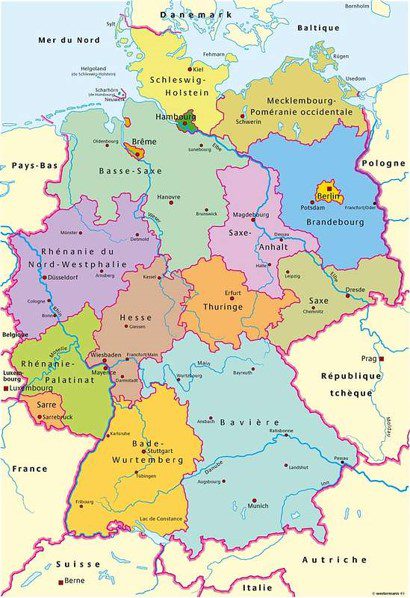
For example, it is common to find in the parish registers of Quebec the words “German by nation”, even if the person came from Alsace or Lorraine, territories that have changed hands between Germany and France on numerous occasions. The majority of “German” ancestors who settled in Quebec came during the 17th and 18th centuries, before Germany as we know it today. The more we go back in time, the more we get lost in the ethnic subtleties which are ultimately only labels. The great invasions into Europe in the first millennium created a mixture of Scandinavian, Saxon and Frankish origins across the continent.
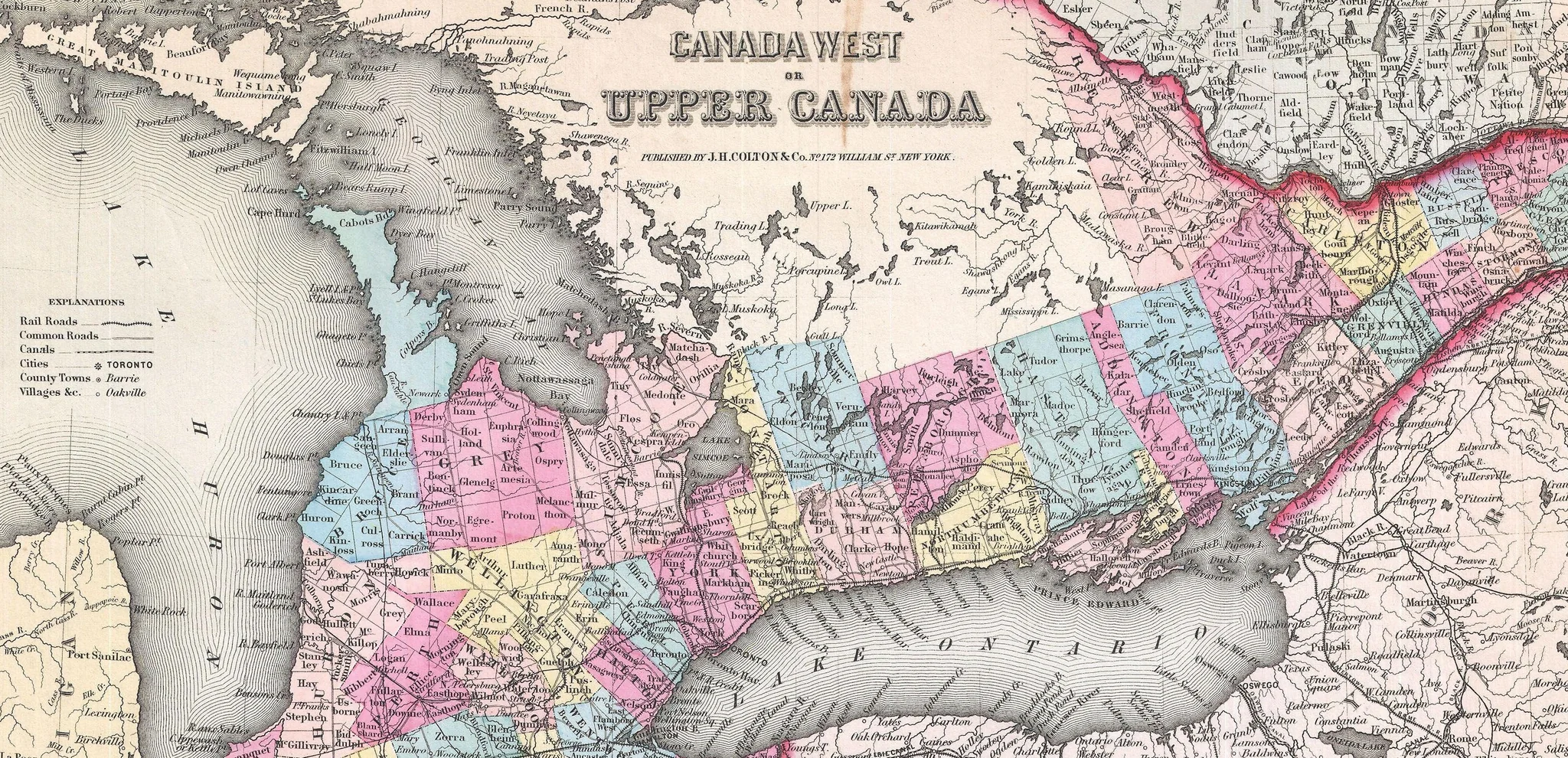
New France was populated and developed by sustained French immigration until the Conquest of 1759. Following the conquest, other waves of immigration from Europe to Canada took place, this time including Europeans of various origins. If we want to talk about Germanic immigration, we must take into account these waves of immigration.
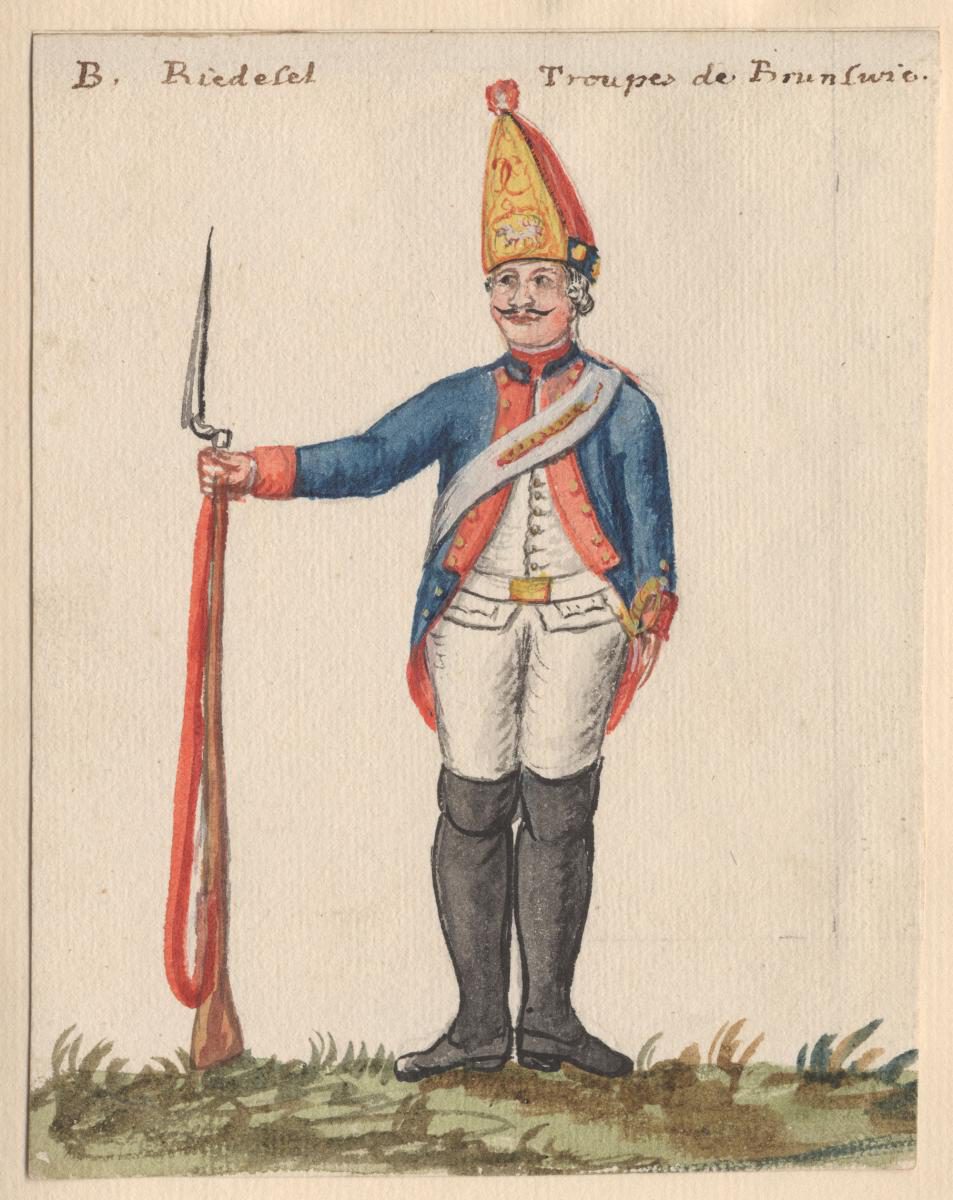
It must first be understood that there are two types of immigration here: the first type, and probably the most important for Quebec, was military immigration. The various conflicts that opposed Germany and England and then England and its American colonies contributed to the greatest wave of immigration to Quebec. In most cases, these soldiers integrated so well into their new culture, including religion, that many Quebecers are unaware that they are of German descent.
The second type of immigration is more random and developed through wars, famines and political tensions that affected European countries between the 17th and 20th centuries. It is categorized by the fact that the emigrant left his native land of his own accord. These emigrants arrived mainly in the second half of the 19th century and formed more closed communities, sometimes even isolated, with their own churches and schools, and often retaining their Lutheran language and religion.
The first half of the 20th century, characterized by the two great wars, also contributed to Quebec society with the arrival of a new group of immigrants.
In the next article in this series, I will take a more in depth look at German immigration from the New France period until the Seven Years’ War.
Claude Crégheur
Frequently asked questions
The main difficulty lies in surnames, whose spellings evolved over time. Some German surnames were simply translated into French, so the same family can appear under quite different names in Quebec records.
The expression is common in Quebec parish registers, but it does not always point to present-day Germany. It was also used for people from Alsace or Lorraine, territories that changed hands between Germany and France on numerous occasions.
Most “German” ancestors who settled in Quebec came during the 17th and 18th centuries, well before Germany as we know it today. The country was only proclaimed a nation-state on January 18, 1871, after centuries as a world of small states.
There were two types. Military immigration, probably the most important for Quebec, came from conflicts between Germany and England, then England and its American colonies. Voluntary immigration, driven by wars, famines and political tensions, peaked in the second half of the 19th century.
Many German soldiers who came to Quebec integrated so well into their new culture, including its religion, that many Quebecers today are unaware they are of German descent. Surnames translated into French also hide these origins.